

Panelized or Volumetric? How the Documentation Changes
Offsite construction is often split into two broad approaches. Panelized (2D) systems ship walls, floors and roofs as flat elements and assemble the building on site. Volumetric (3D) systems build complete modules in the factory, including structure, services and often finishes, and ship them as finished boxes. Many manufacturers do both. The documentation behind each is not the same.
Panelized: elements and their place in the building
For panelized work, the pack is built around individual elements:
- an elevation, cut list or member schedule for every panel
- floor and roof cassettes or trusses, coordinated with the walls
- layouts showing where every element sits and the order it goes up on site
- connection details between panels
The building is assembled on site, so the drawings must make site placement unambiguous.
Volumetric: the module as a product
For volumetric work, the module is the product. The panels inside it still need their own elevations and schedules, but the pack also needs:
- module assembly drawings showing how walls, floor and roof come together
- service routes coordinated through the structure before production
- lifting, transport and module-to-module connection considerations
- internal fit-out information where finishes are installed in the factory
More work happens in the factory, so more decisions have to be resolved in the model before the module goes into production.
What stays the same
Whichever system you build, three things don’t change:
- every element is drawn from one coordinated model
- the factory’s numbering, sheets and outputs are applied consistently
- questions are answered before release, not on the floor
Choosing the right level of detail
The right pack depends on where the work happens. A factory that ships open panels needs a different level of detail from one that ships finished modules. We agree that scope with each manufacturer at the start and build it into the template, so every project gets the same, appropriate level of detail.
Moving from panels to modules, or running both? Talk to us about documentation that fits each system.
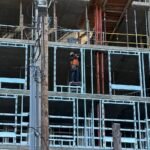
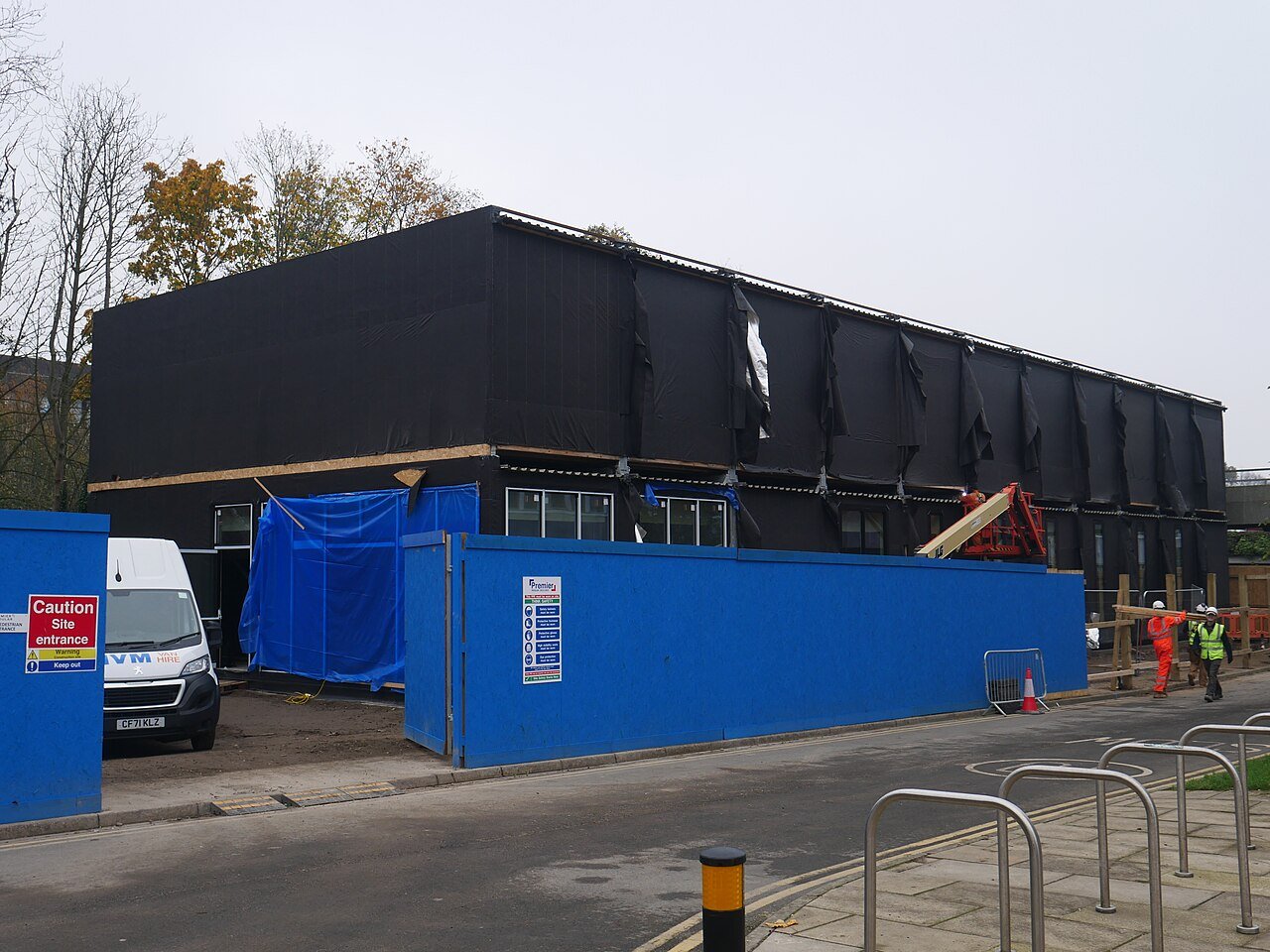
Featured image: UoH DAIM Building Construction November 2022 by Hullian111, CC BY-SA 4.0, via Wikimedia Commons.